Shipping beats talking, always.

There’s a Notes folder on my phone called “Other Business Ideas”, which is a collection of random ideas that are sure to make me rich beyond my wildest dreams. Each has an accompanying brand name and strapline, but that’s about it.

In the last three weeks I’ve met, and have started working with, different start-ups who have actually made two of the ideas in “Other Business Ideas” a reality and are on their way to making millions. Whilst this is a bit annoying (It Could Have Been Me…), I also find it reassuring.

It reassures me, and reminds me, that it is more important to ship work, i.e. make the idea a reality and get it out the door, than talk about work. Ideas that exist only in portfolios, PR competitions, dormant client plans or as Notes on a phone, aren’t good ideas. They are, at best, irrelevant ideas.

A good idea is only a good idea if it happens in the real world.

19

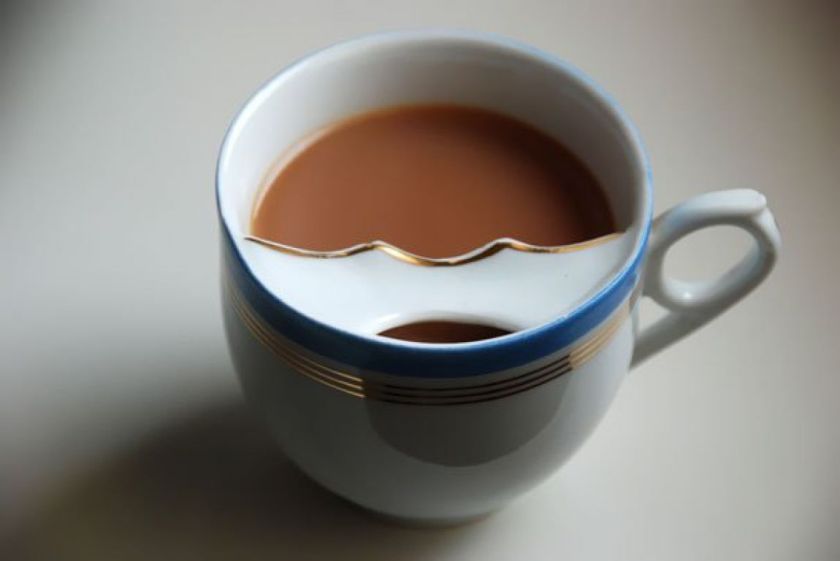
Relaunching Victorian ‘Moustache Cups’ (cups that were designed to stop liquid soaking your ‘tache/beard), has sat in my “Other Business Ideas” folder for three years. I was going to post it so someone could hopefully make it a reality, but in searching for the image, I found a link on Firebox that suggests one was released late last year! It does, at least, reinforce my point that if you’re going to spend effort thinking about it, follow through and ship it.

Anatomy of an Idea: Autobites

“Gentleman, we have run out of money; now we have to think”, so goes the quote attributed to Winston Churchill, and I think it’s an apt saying that applies to creative PR ideas. When you’ve got very limited budget, you need to really think.

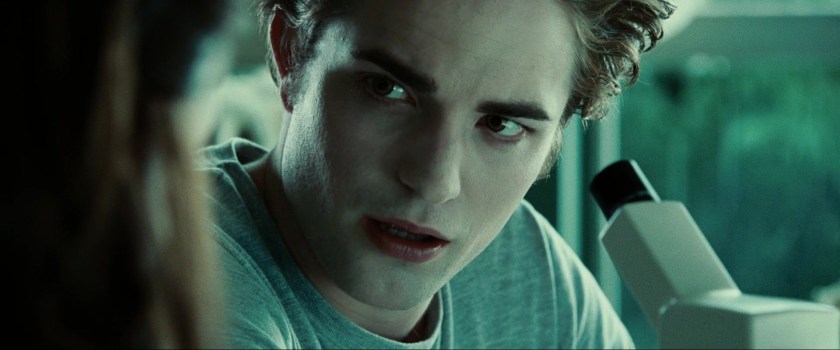
Despite the teen vampire movie Twilight being the biggest theatrical release of the year when it came to launching the DVD for client E:One, we had a couple of thousands pounds expense budget for the entire campaign. I’ve always tried to put products at the heart of product launches, not least as it’s one thing we don’t have to pay for, so I challenged the team to make the physical DVD the story – so we could literally deliver the line: “to mark the launch of…”

The brainstorm threw up the predictable vampire-cliches including blood, bats and bites, which was the starting point. DVDs in blood? Bit gruesome; DVDs delivered by bats? Not sure it’s possible and didn’t want PETA on us for animal cruelty; DVDs auto-bitten instead of autographed? That’s the one, brilliant. Simple, low-cost, and easy to activate – we’d send a bunch of DVDs to the teen star Robert Pattinson, and he’d simply bite them, rather than sign them. The stunt could be released as a news and picture story as well as using the DVDs for competition prizes with fan forums, etc. The client loved it.

rob pattinson

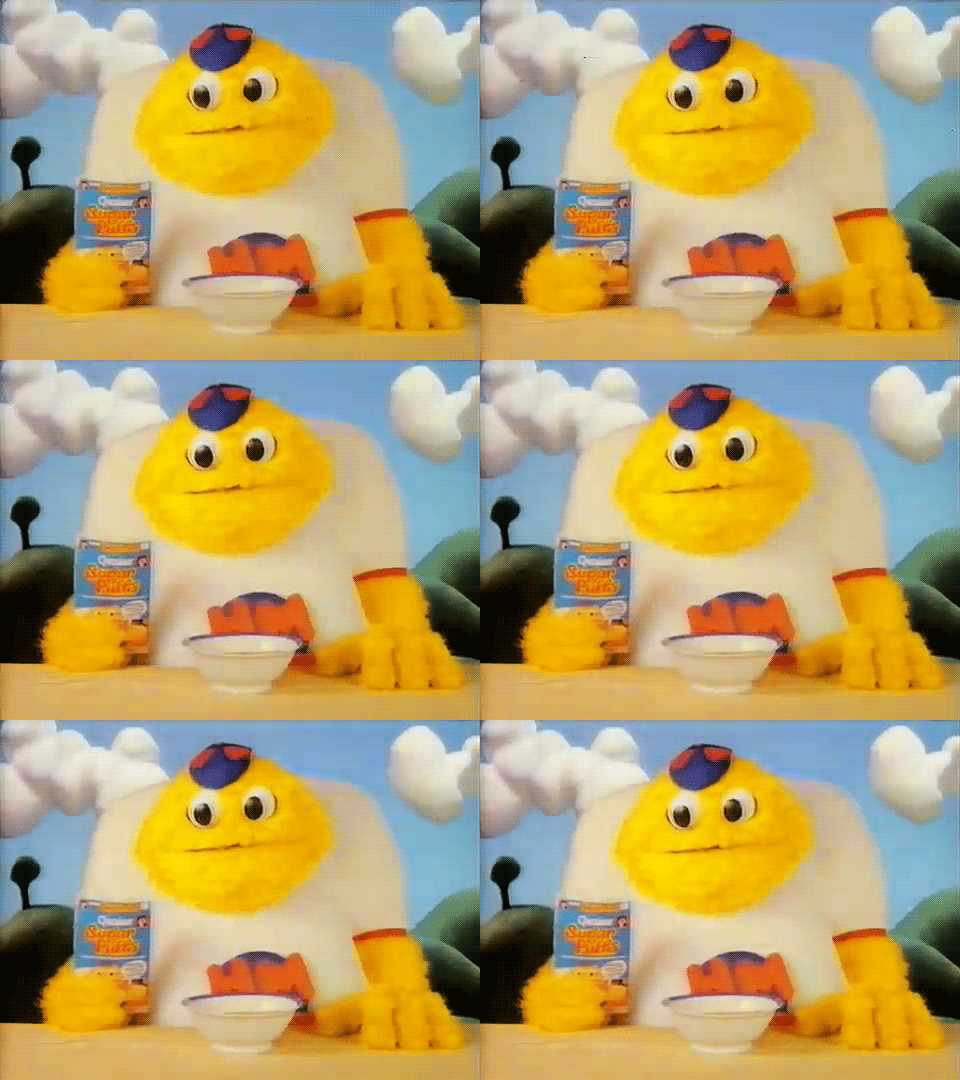
But as anyone who works in PR knows; nothing is simple. Pattinson wasn’t available and the US studio refused to put in a request for his time. The client asked us to go back to the drawing board, but I’ve learned over the years that good ideas are scarce to come by so before you think afresh, think whether you can creatively overcome the sticking point. John Webster, the BMP ad legend responsible for the Honey Monster, Smash Martians and the amazing The Guardian: Points of View ad, was the master of this. He went to every consumer focus group and listened intently to the feedback; not to change the creative idea, but to improve it. Perhaps most famously, a focus group of mums thought his original ‘little monster’ character for Sugar Puffs would be too scary for their kids, but instead of scrapping the idea, he simply made the monster massive, clumsy and, as a result, loveable. The Honey Monster was born. A campaign character that ran and ran. (There’s an excellent documentary, John Webster: The Human Ad Man, that’s worth watching).

honeymonster

Anyway, taking inspiration from Webster and with the proverb, “necessity is the Mother of invention” ringing in my ears, I worked with the brilliant Ben Brooks-Dutton (now a creative planner at Freuds), to work out how to get Robert Pattinson’s bite marks without actually needing him to do the biting. With a £500 budget. The idea hit us that we’d use the numerous pictures of him smiling (or not smiling) on the internet to simply create a mould of his teeth. My first call was, as ever, to the amazing Brian Dowling at Helix3D, who can make anything.

“Brian, if we got you some close-up pictures of Robert Pattinson’s teeth do you think you could make a machine than would Autobite DVDs?”, I asked. “Sounds simple enough”, was the immediate reply. Days later an Autobite contraption arrived in the office, which could puncture perfect bite-marks through just about any surface. I’m not sure the teeth marks were exactly the shape of Robert Pattinson’s, but I figured that no-one could prove us wrong and the intrigue was good for the story.

Autobite

One hundred DVDs were Autobitten and given to HMV to flog at their special midnight opening, but not before Ben got the images and words spreading like wildfire through fan forums, teen mags and in national newspapers.

Twilight was the biggest-selling DVD of the year and we ended up launching all the subsequent films and DVDs – spawning ideas like apple-vertising and eye-vertising (it was obviously our ‘vertising’-period!).

So if at first your idea hits a problem, don’t give up, stick with it and challenge yourself to creatively overcome the obstacle.

applevertising

eyevertising

What you think you become.

I like to listen to Good Morning Sunday on BBC Radio 2, which is the show presented by Clare Balding that discusses ethical and religious issues, not because I’m hugely religious, but because it always has interesting guests that make me think. This morning there was an interview with Jagraj Singh who is the founder of the online platform ‘Basics of Sikhs’. He talked about mankind’s responsibility to imagine the world we want and realise it. That piece was then followed by an interview with children’s author Laurence Anholt, a practicing Buddhist, who quoted Buddha as his guiding philosophy: “The mind is everything. What you think you become.”

Last weekend, before seeing the new Star Wars, I introduced my son to the old Star Wars and, as a result, the philosophy of Yoda (“Do or do not. There is no try”), and the Jedi power of The Force (“This is not the droid you’re looking for”).

Yoda

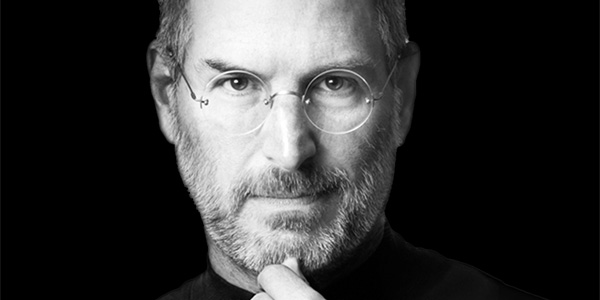
And the week before that I watched a(nother) documentary on Steve Jobs, Steve Jobs: The Man in the Machine, and was reminded of his infamous “reality distortion field”, the sheer will to bend people to his way of thinking and inspire them to achieve a result that they never thought possible (until Jobs told them it was).

SteveJobs

So that’s quite a lot of similar (Yogi-inspired) advice making its way into my world in a relatively short period of time. All talking about how our reality is created by our actions, which is brilliant inspiration for PR people. After all, we work in an amazing profession where if we can think it, we can do it.

‘We try harder’

Five and a half years ago we made the lifestyle choice (slightly forced upon us by the need to find a school for my son), to move from London to Brighton. This means I have to be up at 5.30am every day and get two trains and a bus to be at my desk by 8.15am. It’s always been important to me to be in as early as possible so the team know I’m putting the hours in too. It bothers me that I’m no longer the first in, if truth be told. Anyway, at 6am on Monday, I was at my local station waiting (in the rain), when a man wearing a red rosette handed me a leaflet asking me to consider joining the Labour Party and help nationalise the rail network. At 6am! In the rain! Whatever your politics, this bloke was working hard for his cause, and I admired the fact he cared passionately about something. He’d earned my attention and made me question where the Conservative or Green Party were. He’d done what the human spirit connects with: he’d tried harder.

Back in the 1960s the ad agency Doyle Dane Bernbach won Avis, the car hire company, as a client. It was number two in the rental market behind the giant Hertz. Avis, naturally, wanted to make up ground and take market share. DDB figured there wasn’t much product difference between the two companies (a rental car is a rental car), so decided to make a virtue of Avis’s challenger status and manufacture a story around its superior customer service. “When you’re only No.2, you try harder,” read the copy of the first ad, “Or else.” The ‘We try harder’ brand idea was born and lived for 50 years before being killed off in 2012. Like most historians of advertising, I worship anything that was touched by Bernbach, but what I love about this particular idea was its self-fulfilling nature. By putting on record that they tried harder, Avis had to try harder. They had to live the promise, and the promise gave them a purpose. It must have been pretty exciting proving the promise and closing the gap on Hertz (if not quite ever over-taking them).

avis0

avis2

avis3

Whilst we didn’t articulate it in a beautiful set of words like DDB did, we had the same spirit when we looked after LOVEFiLM. Over a period of eight years, we helped to take the business from a niche DVD-by-post service to Europe’s leading movie and TV streaming site, which was eventually acquired by Amazon. There were loads of talented people responsible for the success of that business, but in my opinion, only one man responsible for the success of the brand and that’s Simon Morris. The guy is a walking marketing Marvel (supported by his brilliant sidekicks Fliss Hickson and Ash Beretta). Our villains were anyone who tried to compete in the DVD and online movie rental space. You name them, we took them on. Blockbuster, ScreenSelect, Netflix (we saw them off the first time they tried to come into the UK), BlinkBox (and in the process Tesco), iTunes, the BBC, Amazon (until they bought the business) and, our absolute nemesis, Sky. With little product difference, the strategy was simply to ‘try harder’ and ensure we either started, or were included in, any possible consumer and trade conversation to do with film and TV.

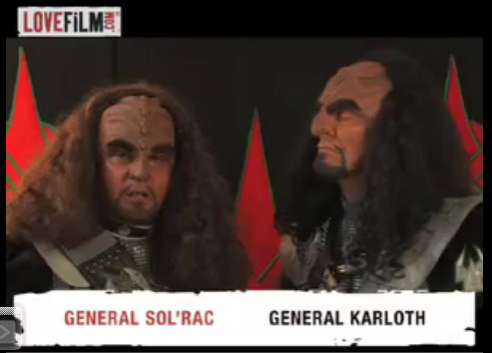
If there was a story to be released, we quickly knocked it up and released it. Top Bikini Moments, Most Motivating Speeches, Films To Lose Weight To, Films to Make Out To, The World’s First Film Review In Klingon (yes, really), Top Film MILFs, Who’s Watching What Where, Real Life Desperate Housewives, Films People Pretend To Watch But Haven’t, Top Film Cars, Best Film Alien, Best Film Sequel, Best Film Trilogy, Best Film Prequel, Ultimate Bond, Ultimate Batman, Ultimate Superhero, Silent Movies Boom, Saddest Films, Best Feelgood Films, Funniest Film Ever (with a Laugh Out Loud rating), Greatest Ever Movie Outlet, Best Opening Lines, Best Ending Lines, Best Opening Credits, Best Closing Credits, and on and on. Eight years of consumer surveys (none of which we paid for as all results came from a poll engine on the site), product placement and features. It wasn’t just consumer activity either. We – with the equally mischievous corporate PR guy, Ben Simons – ensured LOVEFiLM had an opinion on every trade issue going, announcing everything and scuppering competitors at every turn (my highlight being supplying the ‘difficult’ questions to business journos at the, eventual, UK Netflix launch). One week we released a story pretty much every day, but weirdly the media didn’t get annoyed, they lapped it up. We were a cheeky British challenger brand sticking it to everyone, and no-one could compete with our output and the resulting media domination (averaging 500+ pieces of coverage a month). Whilst the competition sat in boardrooms planning, we just got on with doing and stole every bit of newsprint possible until there was nothing left for anyone else. And because we consistently made the case that we were the superior service, LOVEFiLM had to deliver a superior service. They had to live up to a promise, and the promise gave us all a purpose.

It was a real lesson for me: if you struggle to find a product USP, nothing beats ‘we try harder’.
LF1

The World’s First Film Review In Klingon was shot in our office. After filming, the two guys fell out over the fee and had a full blown shouting match…in Klingon!

LF2

The Ultimate Superhero and Villain (above). The composite story technique served us well through the years albeit I put an end to it after a “no more Ultimates, please” journo request.
 

Read wider, work harder.

People sometimes ask me how they can have more creative ideas. My answer is always the same: read wider, work harder.

I subscribe to the theory that new ideas are a collision of past ideas, so the more information I consume, the more combinations of ideas I have to put together to form an original idea. This in itself is not an original idea. Great creative thinkers usually have an encyclopedic knowledge of their subject and tend to hoard ideas. For example, Bowie catalogues sounds (including numerous versions of whale ‘song’) and Kubrick catalogued an entire estate full of visual references.

Once I decided consumer PR was for me and that I wanted to be good at having ideas, I started studying publicity stunts and creative advertising. I started by harvesting the internet, but I found the web (and still find it) pretty limited to modern history, so went further and further back into history, which is a great technique for inspiring ideas as it seems no-one looks in museums or books anymore. I must have over 1,000 books on the subject of advertising from the 1920s onwards including everything by Bill Bernbach (the jewel being a mint-condition Bill Bernbach’s Book given to me by his son, John) and everything by the self-proclaimed original madman George Lois.

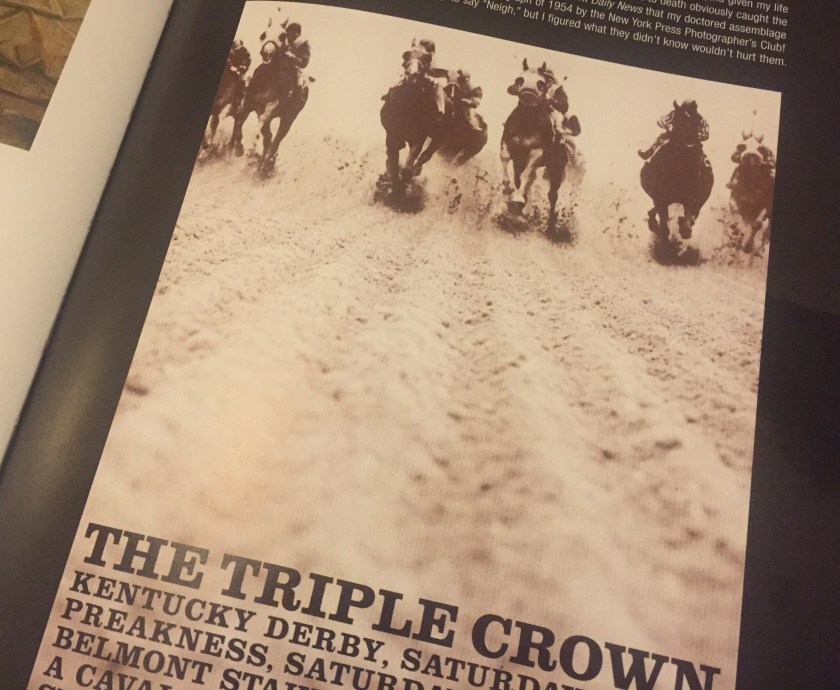
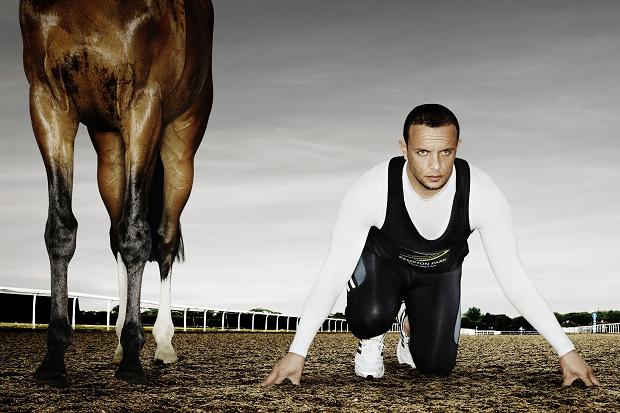
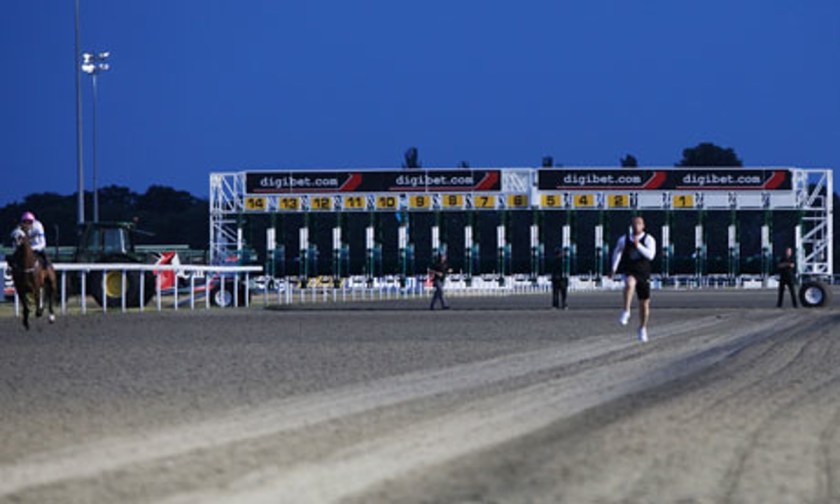
Lois’s ideas in particular, which he readily acknowledges are combinations of visuals he collected from history, have inspired a number of my ideas, or at least the visual treatment of some of my ideas. For example, the image (below) made by Lois and taken from his book, What’s The Big Idea, inspired the treatment of the promo shot of a man v horse race we staged at Kempton Park in 2010 (a still from the race is below, the horse won!).

GeorgeLois

ManvHorse2

ManvHorse3

But all the reading in the world means nothing if you don’t apply the theory into practical ideas. And there is no shortcut to producing ideas. It takes time and it takes effort. To consistently churn out good (and ‘original’) creative ideas you have to get up early, go to bed late and sacrifice weekends. You can’t switch off and, if it’s the trade you want to be the best at (and charge a premium for), then you shouldn’t want to switch off. David Droga, of Droga5, became the youngest ECD of Saatchi not just because he was talented, but because he used to sleep under his desk most nights, only calling it a day when he’d filled a 100-grid page with 100 different ideas. And I reckon he got the ratio about right; it does take around 100 bad ideas to get one good idea.

When I’m absolutely knackered from thinking, I find solace in Lois’s words: “If you don’t burn out at the end of each day, you’re a bum!

So you want to be creative? Read wider, work harder.


10x10grid


Creating culture.

There’s an amazing talk by Brian Eno online (the latest John Peel Lecture should you want to listen to it), which explores the value of creativity and the importance of culture.

Eno argues that art is culture, and culture is what connects people from all over the world as it’s a “set of collective rituals”. So music or dance or film or art (or sport) is important because they are mediums that we can all make and share a connection through. It’s an inspiring piece and got me thinking.

I believe every commercial creative (which is what I think of myself as), is a frustrated artist of some shape or form. For whatever reason we haven’t quite worked out our own brief so find it easier to spend our time responding to a client’s brief.

Certainly in my career, I’ve tried to encourage clients to create campaigns that stand a chance of passing into popular culture because then our collective – client and agency – work has some value; our efforts become more than just a day’s worth of newsprint. The output will connect people (to the organisation that’s paid for it), deliver a rational message (the brand’s key message), but also emotionally move people (so they are more likely to remember it and want to share it). That’s an awful lot to try and achieve in a PR campaign or tactic and it’s definitely not easy.

I’m lucky to have worked with some great clients who were ambitious enough to want to add some value to the world beyond a marketing campaign and, subsequently, let us creatively loose on their brands.

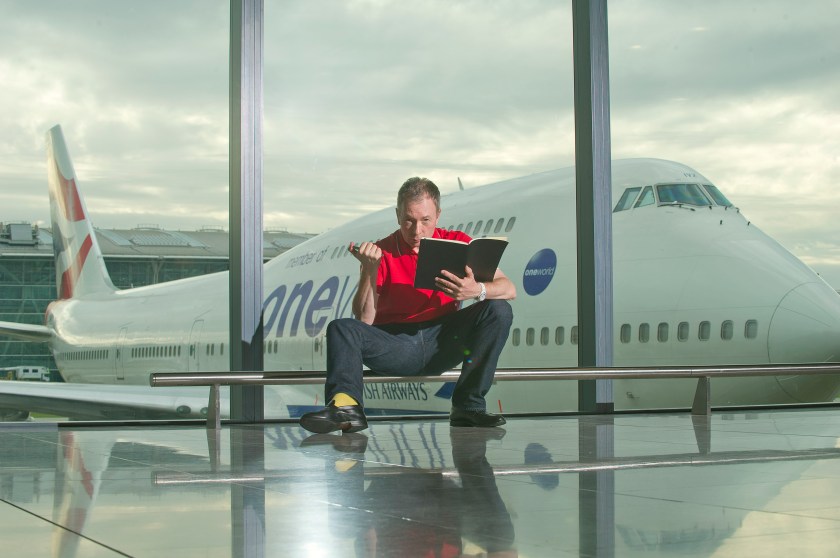
Cat Jordan at Heathrow Airport is probably the person who springs to mind as the one who backed some of our best work. The airport had – and still has – a great brand idea, Making Every Journey Better, which in four words gave its staff (and agencies) a clear direction, but also reminded passengers (and Government) that the airport is not the complete operation and, with 98% capacity, etc, is always work in progress.

Cat’s challenge to us was either to create something that showed how Heathrow was Making Every Journey Better or do something that Made Every Journey Better. And of course it had to be interesting enough for journalists to write about as it was a pure PR job (before the days of in-te-gra-tion).

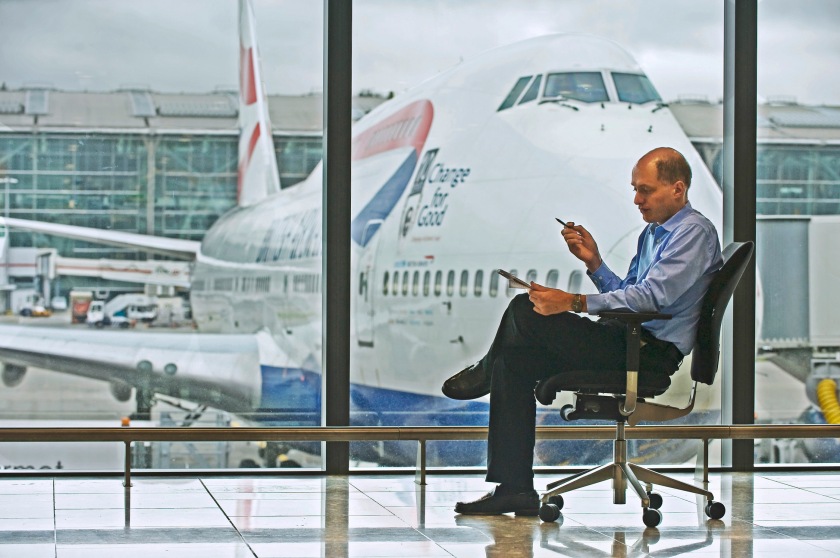
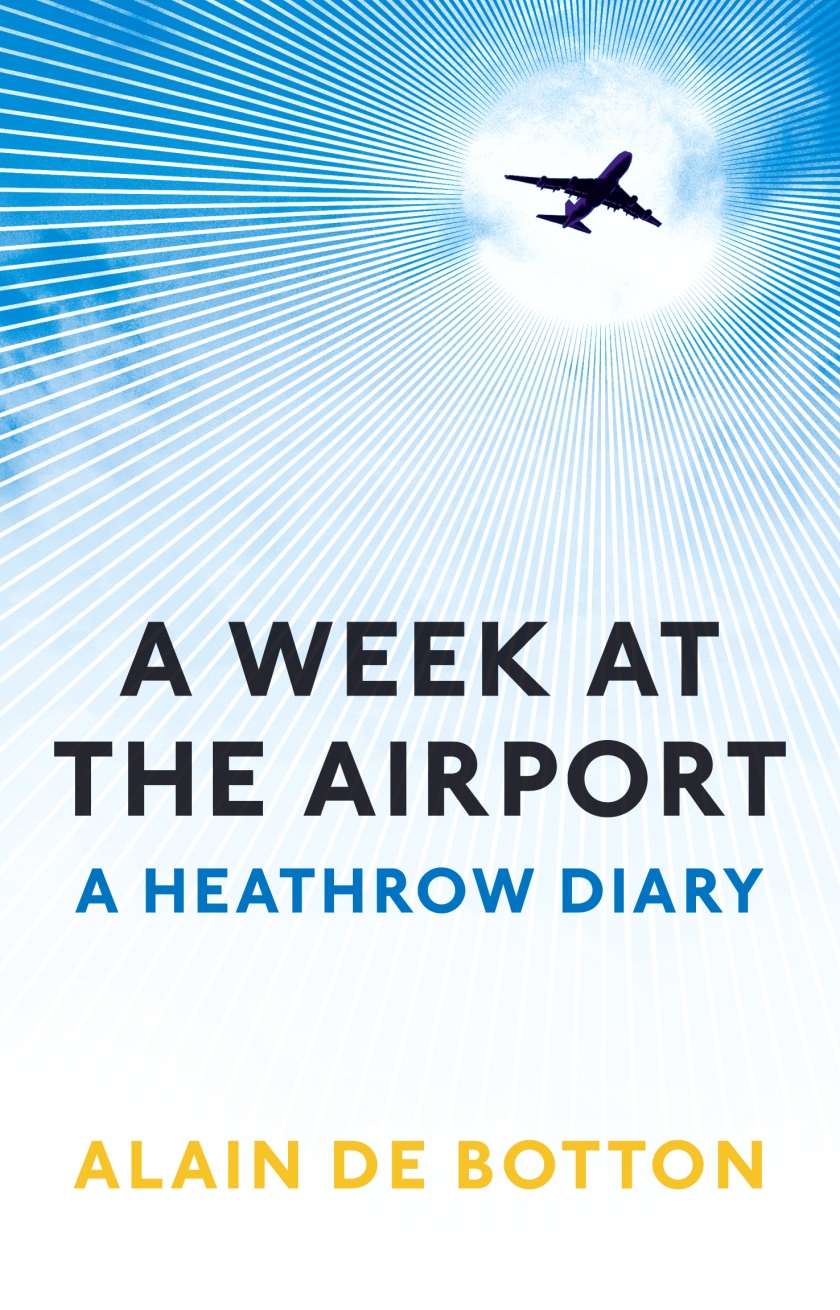
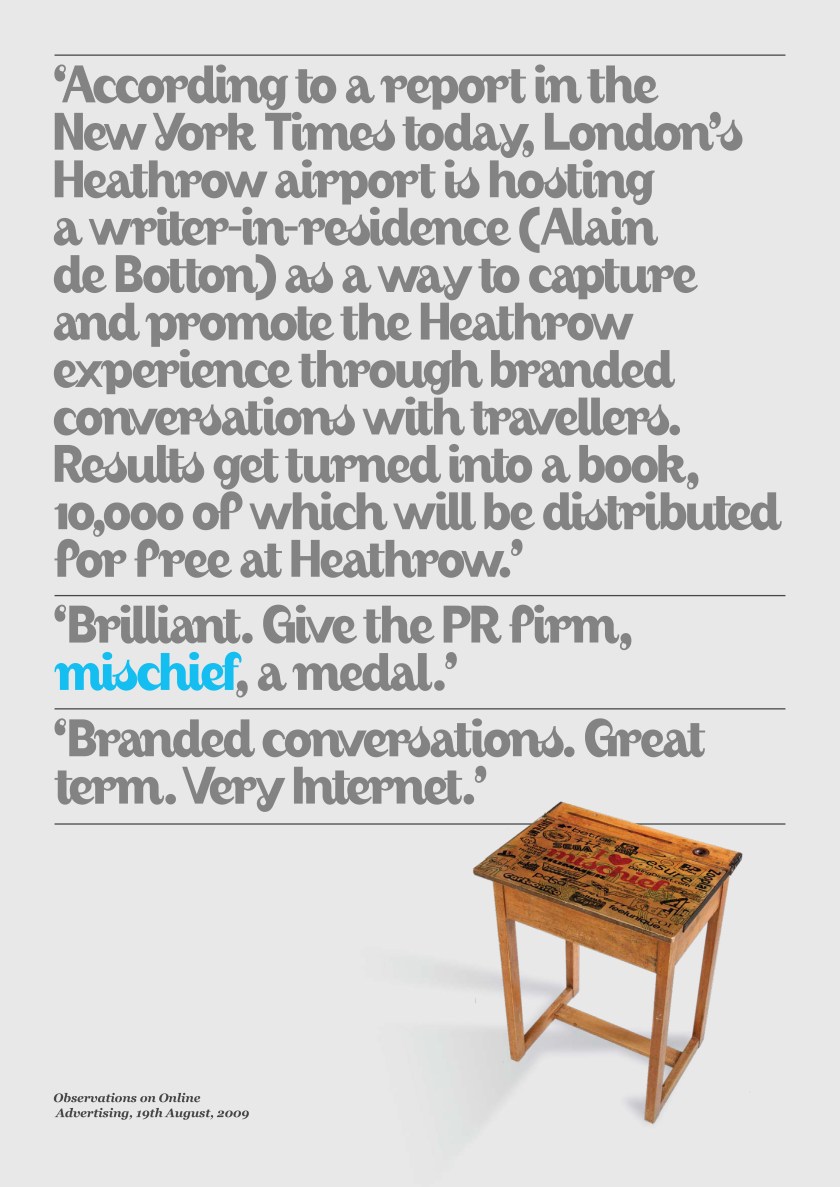
With my mind set on creating culture, not surprisingly I came up with the idea of ‘Heathrow: The Book’ first. The idea was a writer-in-residence programme where a celebrated author was effectively handed the keys of the airport and asked to write about what they experienced. In 2009,  A Week At The Airport: A Heathrow Diary by the philosopher Alain de Botton (whose work and way of thinking I became a bit obsessed by), was published and sold in all good bookshops (including rival airport’s). Despite creative control resting solely with Alain – who was gracious enough to thank his patrons (including me) in the foreword – the book ended up being a pretty good ad for Heathrow as it took a romantic view of describing life at one of the world’s busiest airports including how its staff were striving to Make Every Journey Better. Surprisingly perhaps, the book became a best-seller (peaking at number 7 in the Amazon charts) and inspired the subsequent BBC Airport Live TV series on Heathrow. It’s a great example of an idea that passed into popular culture and we published an ad for the agency off the back of it to that effect (see below – pretty crude now I’ve seen it again!). I’ll cover ‘Heathrow: The Book’ as an ‘Anatomy of an Idea’ sometime as the inception and execution of the idea will make a good post.

Adb1

A Week At The AirportBranded Conversations

The following year we commissioned Tony Parsons as the writer-in-residence, which led to Departures: Seven Stories from Heathrow, but at the same time we were trying hard to push through an art idea I’d had. I thought it could help Heathrow be the best memory of a passenger’s trip rather than the place they wanted to get through as quickly as possible.

TP

The idea was to employ a curator-in-residence who would introduce arriving and departing passengers to the best of British artists, but also emerging artists from around the world. Heathrow would literally connect its passengers to world culture, and their lives would be enriched because of it. There was only one curator I had in mind and that was Charles Saatchi (who I realise is a collector more than a curator, but I was desperate to meet the enfant terrible of firstly the advertising world, and now art).

Charles-Saatchi

Cat and I had a few meetings with the charming Nigel Hurst from the Saatchi Gallery, but despite both sides being keen, it never quite happened. I think it was because it was too expensive (it was Saatchi!) and operationally difficult for Heathrow to execute (it was enough of a challenge to get the writers all-access, let alone installing weird and wonderful artworks).

Every subsequent plan I presented had that idea in front and centre, but Cat ended up going on maternity leave (and eventually moving to New York) and Heathrow’s appetite for ‘cultural’ work waned. We won a re-pitch on the account (the business had to go to tender every four years), but never really got anything through beyond stunts and shopping features so we lost interest a bit and the relationship fizzled out, which was a shame, but the way things go as a commercial creative, I suppose.


Anatomy of an Idea: Gnashional Trust

This blog will primarily be a place for my PR thoughts and advice, but I’m occasionally going to use it to share the process of a creative idea. All the ideas featured have come from my head, but I’ll give credit where credit is due, of course.

The inaugural ‘Anatomy of an Idea’ is a tactic from July 2011 on behalf of the National Trust, the charity that looks after properties and spaces on behalf of the nation. I can’t remember how we came to get the business (I don’t think it was from a pitch), but we’d already kicked off the account with some great, headline-grabbing tactics so was handed a summer brief to attract family memberships.

We did our usual line of questioning and research, but it was pretty clear to me that the problem was the perception that the NT was a bit middle class, quiet and fussy, and not really the place for energetic, loud and (sometimes) clumsy small children. This was partly based on my own experience of taking a toddler around NT properties, but also because the Chairman, Simon Jenkins, was making big noises (and changes) about breaking down barriers and making NT accessible to all. The challenge was to bring the Chairman’s thoughts to life.

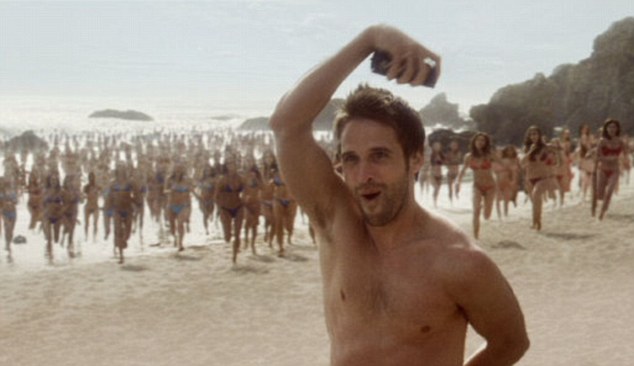
I’d been studying the work of BBH a lot and generally reading anything I could about the way that John Hegarty approached creativity, so was heavily into the idea of every campaign or tactic simply being a ‘product demonstration’. I.e. Not having to tell the audience something, but simply showing it by demonstrating it. All of BBH’s great AXE/Lynx ‘Lynx effect’ ads are product demonstrations. Think of the ‘Billions‘ ad: bloke sprays Lynx on himself, he smells irresistible, thousands on women run towards him. A simple product demonstration, which hits a (primal) adolescent over the head with the message: use Lynx, attract women.

Lynx

With ‘product demonstration’ at the back of my brain, I asked myself the question: ‘How do you demonstrate that NT properties and places are child-friendly?’ I find putting the brief into a one sentence question is always a good technique as it focuses the mind and forces you to come up with an answer.

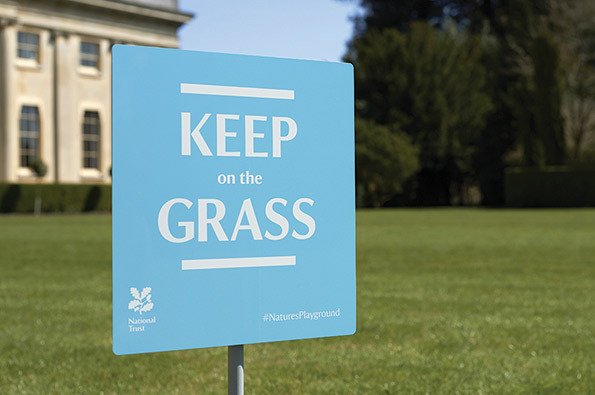
This question led to ideas like ‘Keep On The Grass’ signs (as opposed to ‘Keep Off The Grass’), which were rejected at the time for being operationally difficult to execute (probably because they were still wrestling with convincing individual properties about the ‘access to all’ mantra). A couple of years later NT did introduce those signs with The Click Design Consultants.

KeepOnTheGrass

Knowing that we couldn’t really do physical installations at properties and places forced a rethink on the question: ‘How do you demonstrate that NT properties and places are child-friendly?’

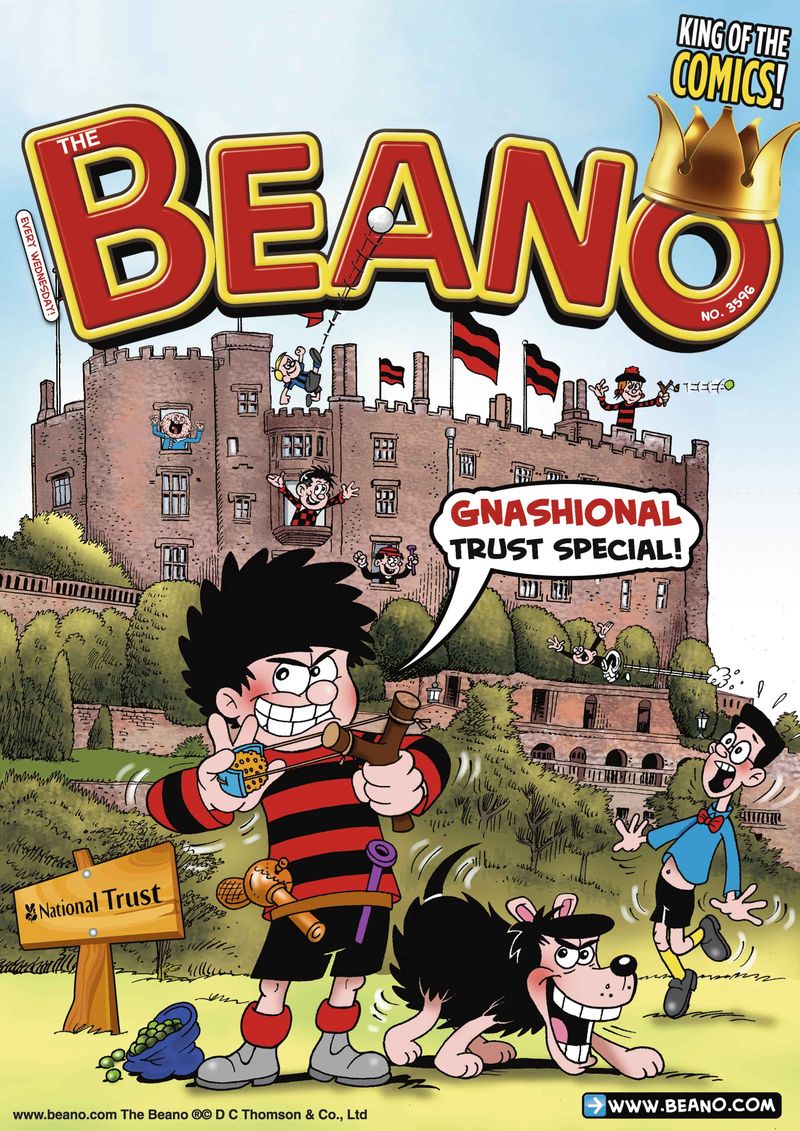
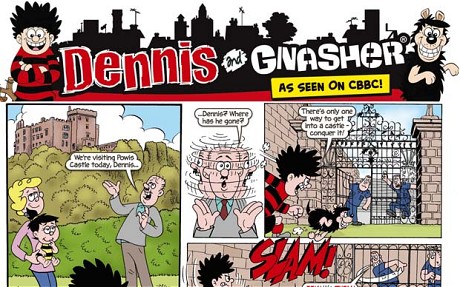
The idea hit me in the shower (a lot of ideas do). To demonstrate that the National Trust is child-friendly why don’t we invite the naughtiest kids we can find to run riot through NT properties and places. And the naughtiest kids are…Dennis The Menace and chums. Let’s create a special edition of The Beano to break down perceptions and show that all children (even badly behaved children) were welcome at the NT.

It was the perfect idea as I could imagine each geographic region getting their own show in the comic (important as the regional committee signed off the ideas!), and I could use the pages as ads for the NT.

Would NT go for it? It was an easy sell really as we just stuck up the words of the Chairman and the importance of making the NT ‘accessible to all’ before we presented the idea.

Would The Beano go for it? The then Head of Marketing, John-Paul Murphy, at DC Thompson saw the value of a potential collaboration with the NT not just for the PR exposure, but because its shops were a route to sell more copies, so it was a no-brainer for him! (Collaborations have since become a useful marketing tool for The Beano with The FA, Dogs Trust and others going down the same PR path).

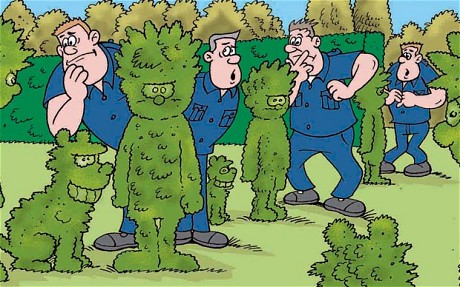
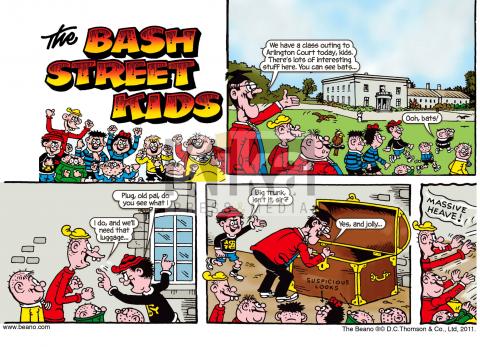
No money changed hands between NT and DC Thompson (it was a contra-deal), and in July 2011 the ‘Gnashional Trust’ edition of The Beano hit the shelves. Selected images from the comic and a ‘drawing-of’ film were released to media alongside a press release, which explained the tie-up and the reasons behind it. I forget how many pieces of coverage it generated, but enough to win PR Week, PRCA Awards and Licensing awards.

To the extreme credit of the client (the lovely Laura Appleby), the National Trust included a ‘Kids Go Free’ voucher in the comic, had Beano characters ‘takeover’ the website, and also ran Beano-related events during the summer complete with character costumes and games. She helped turn it from a tactic into a fully integrated summer campaign. Family membership sales rose accordingly, and it marked the start of a very successful few years of National Trust summer ‘family-friendly’ PR campaigns.


Dennis1

Dennis2

BashStreetKids